Volume 4, Issue 1, June 2026

Articles
-
 230 423 Cited —
Randomised controlled trials often experience dropouts, especially in multi-stage designs where participants must meet induction-phase eligibility requirements before progressing to the main study. Loss of …
-
 367 445 Cited —
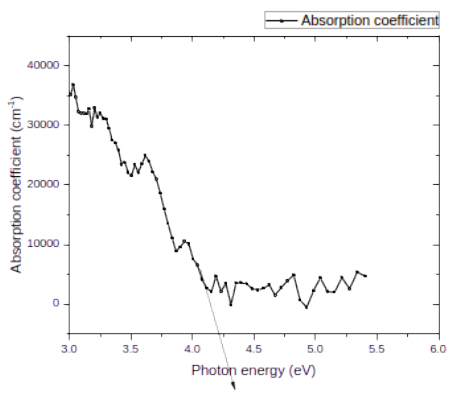
Climate change and global warming have spurred a growing urgency to transition from traditional energy sources to sustainable alternatives. This article explores the realm of renewable energy, focusing on …
-
 181 285 Cited —
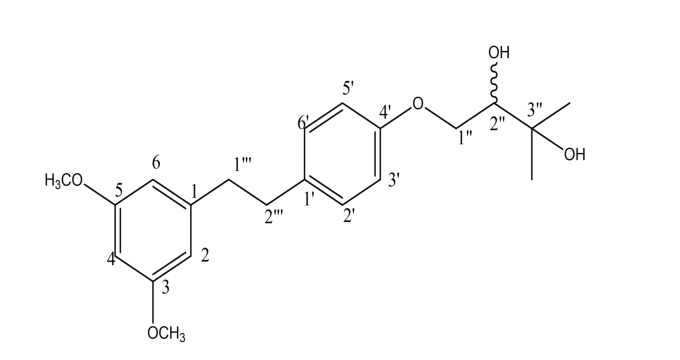
Indigofera conferta, an annual herb widely distributed in northeastern and western Nigeria, is used ethnomedicinally to treat inflammation, pain, sore feet, and snakebite. Despite these uses, the …
-
 281 387 Cited —
One of the key challenges in scaling up biodiesel production is attaining the maximum yield while ensuring compliance with established quality standards. In this work, the potential of black date seed …
-
 423 436 Cited —
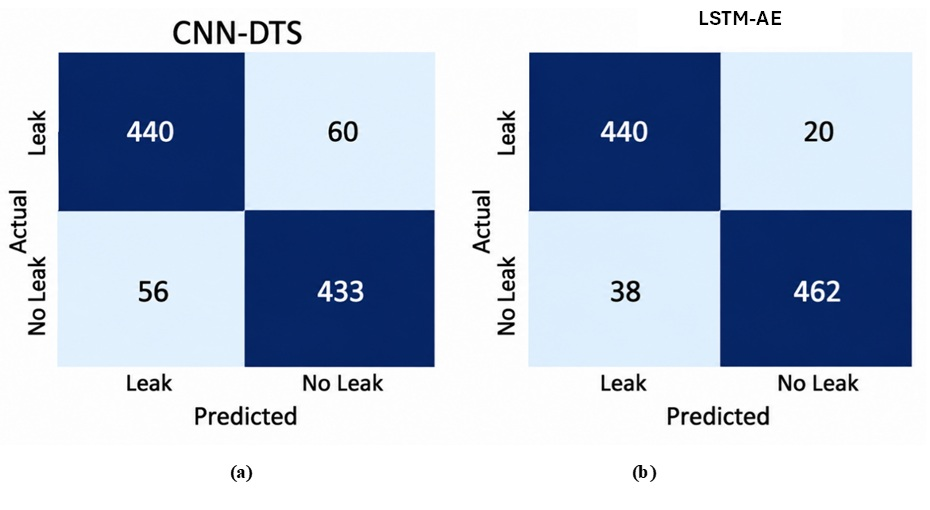
Leakage in oil and gas pipelines threatens environmental safety, operational integrity, and economic stability. Recent advances have integrated Internet of Things (IoT) technologies and deep learning to …
-
 501 229 Cited —
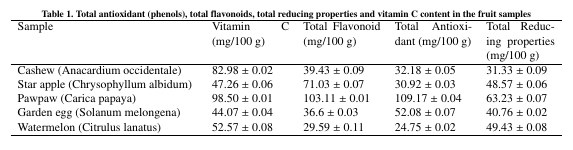
The nutraceutical richness of locally cultivated fruits in Eastern Nigeria remains poorly documented, limiting guidance for dietary management of oxidative stress-related disorders. This study quantified …
-
 306 329 Cited —
Assessing groundwater recharge is essential for managing water resources sustainably, especially in semi-arid regions. In order to assess groundwater reserves for residential and agricultural use, this …
-
 259 270 Cited —
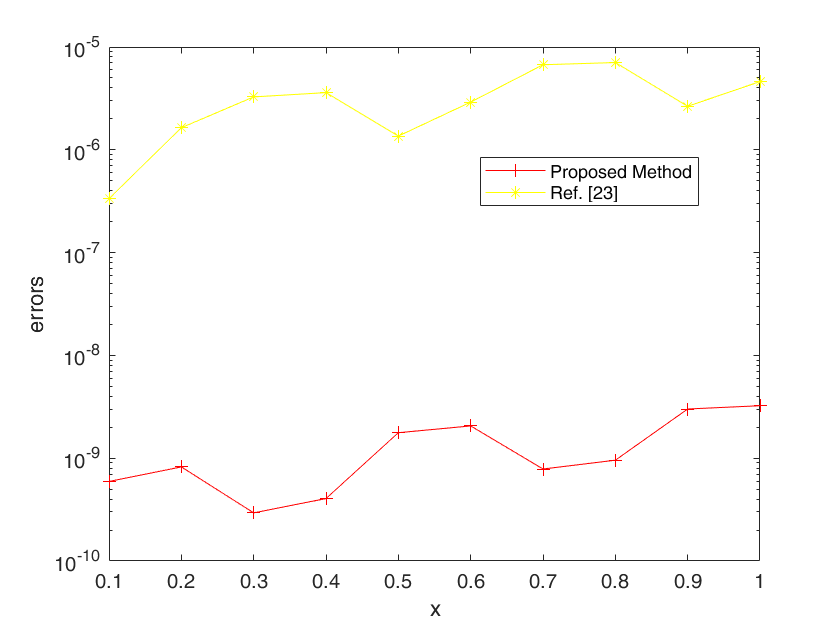
Differential equations widely applied in various fields of engineering and mathematical studies, particularly in control theory, optimal control, and stochastic realization. Numerous methods have been …
-
 349 350 Cited —
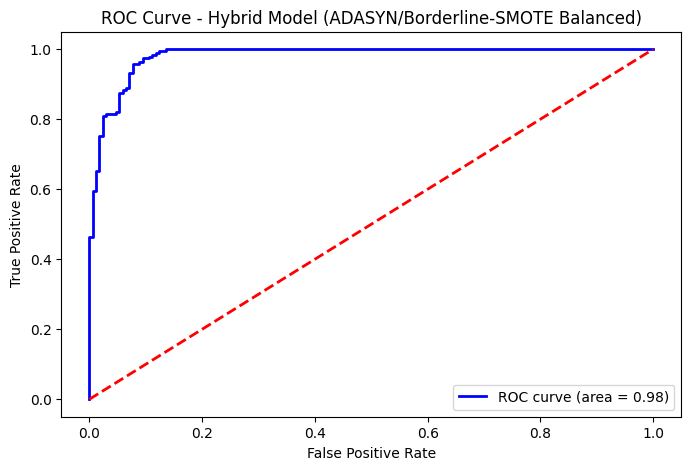
Class imbalance in epidemiological datasets poses a fundamental challenge to developing accurate predictive models, particularly for rare but critical outcomes. This proof-of-concept study presents a …
-
 216 218 Cited —
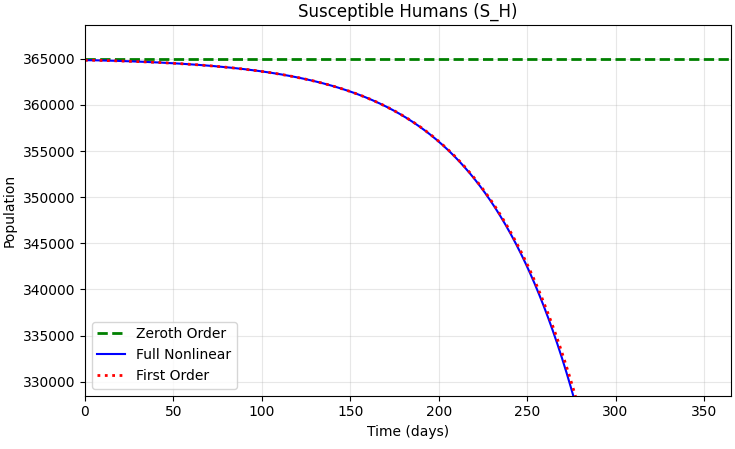
This article analyzes malaria dynamics among high-risk groups in Nigeria, with the human population divided into five compartments and the mosquito population divided into two compartments. The resulting …